
Business Performance and Productivity Gains: How Strategic Gym Training in Singapore Improves Focus, Energy, and Decision Making

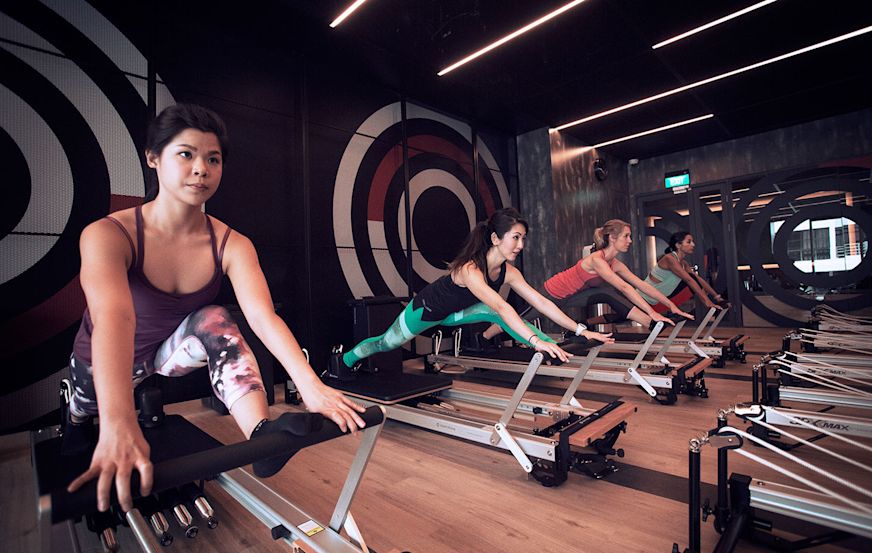
High performance at work is not just about working longer hours. In Singapore’s fast paced business environment, sustained productivity depends on mental clarity, emotional regulation, and physical resilience. When these decline, even the most skilled professionals struggle with focus, decision fatigue, and inconsistent output. This is why more executives, entrepreneurs, and managers are building a structured gym singapore routine into their weekly schedule, not for aesthetics, but for measurable performance gains.
Training the body improves how the brain functions. When exercise is programmed strategically, it becomes a tool for sharper thinking, better stress tolerance, and consistent energy across long workdays.
Why productivity drops even when motivation is high
Many professionals feel driven but depleted. They care about their work yet struggle with concentration, afternoon slumps, and reactive decision making.
Common productivity blockers in Singapore work culture
These issues often stack up quietly:
-
Long hours of seated work and screen exposure
-
Irregular meals and reliance on caffeine
-
Poor sleep consistency due to late nights or early meetings
-
High cognitive load with limited physical release
-
Chronic low level stress without recovery windows
The result is a nervous system stuck in overdrive. Gym training, when done correctly, helps reset this system.
The science link between physical training and cognitive performance
Exercise increases blood flow to the brain, improves neurotransmitter balance, and enhances the brain’s ability to adapt under pressure.
What regular training improves at work
Consistent training supports:
-
Improved executive function, planning, prioritisation, and impulse control
-
Faster decision making with less emotional reactivity
-
Better memory retention and learning capacity
-
Increased tolerance to stress and uncertainty
-
Improved mood stability during high pressure situations
These benefits are most noticeable when training is consistent and recovery is respected.
Strength training and mental clarity
Strength training is often overlooked in business performance discussions, yet it plays a key role in cognitive sharpness.
Why strength training supports focus
Resistance training:
-
Improves insulin sensitivity, stabilising energy levels
-
Reduces anxiety by creating predictable stress exposure
-
Builds confidence through measurable progress
-
Enhances posture and breathing, which influence alertness
Unlike endless cardio, strength training challenges the brain to coordinate movement, maintain focus, and solve problems under load.
Practical strength structure for professionals
A simple structure works best:
-
2 to 4 strength sessions per week
-
Emphasis on compound movements
-
Moderate intensity rather than constant max effort
-
Session length between 45 and 70 minutes
This provides benefits without draining recovery capacity needed for work.
Cardio for sustained energy, not exhaustion
Cardio can either improve energy or worsen fatigue depending on how it is used.
Why low intensity cardio improves work output
Steady cardio such as incline walking or cycling:
-
Improves oxygen delivery and circulation
-
Enhances recovery between stressful tasks
-
Reduces afternoon crashes
-
Improves sleep quality when done earlier in the day
This type of cardio supports productivity rather than competing with it.
How much cardio is enough
For most professionals:
-
2 to 4 sessions per week
-
30 to 45 minutes per session
-
Comfortable pace that allows conversation
This keeps energy stable across the workday.
Exercise as a buffer against decision fatigue
Decision fatigue occurs when mental resources are depleted after repeated choices. Physical training improves resilience to this effect.
How training protects decision making
Exercise:
-
Improves emotional regulation
-
Reduces overreaction under pressure
-
Supports clearer prioritisation
-
Improves tolerance to ambiguity
Professionals who train consistently often report fewer impulsive decisions late in the day.
Timing workouts around business demands
Workout timing influences how exercise affects productivity.
Morning training advantages
Morning sessions:
-
Align with natural cortisol rhythm
-
Improve focus and mood for the day
-
Reduce the likelihood of skipped workouts
-
Improve stress tolerance during meetings
This works well for leadership roles with unpredictable schedules.
Lunchtime and evening training strategies
If mornings are not practical:
-
Lunchtime sessions can reset energy and reduce afternoon fatigue
-
Evening sessions should avoid very high intensity
-
Finish training at least 2 to 3 hours before sleep
-
End sessions with slower breathing or mobility work
The goal is recovery, not stimulation, late in the day.
The role of consistency over intensity
One of the biggest productivity mistakes is using the gym as a place to vent stress aggressively.
Why consistency wins
Consistent moderate training:
-
Builds long term resilience
-
Reduces injury risk
-
Supports sustainable energy
-
Improves adherence during busy periods
Extreme training often leads to burnout, which spills into work performance.
Nutrition habits that support professional performance
Training alone is not enough. Nutrition strongly influences cognitive output.
Practical nutrition rules for busy schedules
-
Eat regular meals to stabilise blood sugar
-
Include protein at every meal
-
Avoid skipping meals to “save time”
-
Limit caffeine after mid afternoon
-
Hydrate consistently throughout the day
Under eating or relying on stimulants increases stress hormones and reduces focus.
Stress management through movement
Exercise provides a controlled outlet for stress.
Why movement improves emotional regulation
Training:
-
Reduces baseline anxiety
-
Improves sleep quality
-
Increases tolerance to pressure
-
Prevents stress accumulation
This leads to calmer responses during negotiations, presentations, and conflicts.
Gym environment and performance consistency
Environment influences behaviour more than motivation. A reliable gym setup reduces friction and decision fatigue around training.
Many professionals prefer training at True Fitness Singapore because a structured, well maintained environment supports efficient workouts that fit into demanding schedules without unnecessary distractions.
Building a productivity focused weekly plan
A realistic structure might look like:
-
3 strength sessions per week
-
2 low intensity cardio sessions
-
Daily movement such as walking
-
At least one full rest day
This supports both physical health and professional performance.
Real life FAQ
FAQ 1: How quickly can gym training improve work focus?
Many people notice improved concentration and mood within 1 to 2 weeks of consistent training. Deeper benefits such as better decision making and stress tolerance typically appear after 4 to 6 weeks.
FAQ 2: Is it better to train on workdays or rest days?
Training on workdays often improves productivity and stress management. Rest days are still important for recovery, but light movement on workdays supports focus.
FAQ 3: Can short workouts still improve productivity?
Yes. Even 30 to 45 minute sessions can deliver cognitive benefits if training is structured and consistent. Longer sessions are not required for mental performance.
FAQ 4: Why do I feel mentally clearer after workouts but tired later?
This usually indicates poor recovery habits. Improve sleep, nutrition, and hydration. Reduce late night high intensity sessions if they disrupt rest.
FAQ 5: Should executives avoid intense workouts?
Not entirely. Intense sessions can be beneficial when scheduled well. Limit them to once or twice per week and ensure recovery days follow.
FAQ 6: Can gym training help with work related anxiety?
Yes. Regular exercise reduces baseline stress levels and improves emotional regulation. Strength training and steady cardio are particularly effective for anxiety management.
Comments are closed.